
what is superwash yarn….
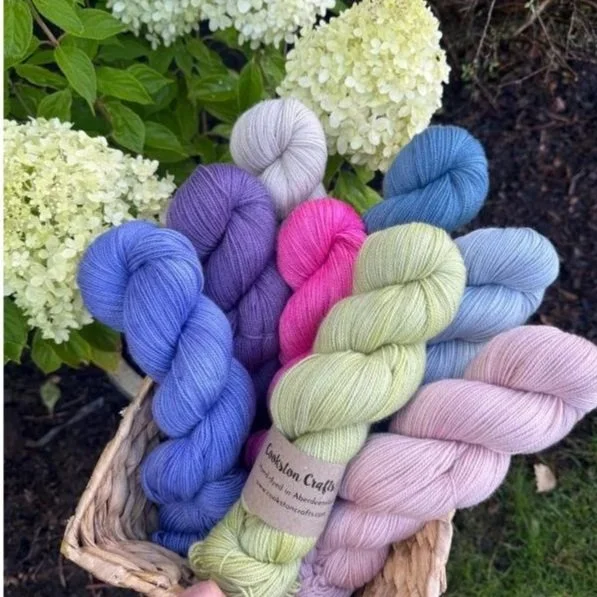
It's one of the most common types of wool available today, especially in hand-dyed yarns, but it also divides opinion among the yarn community.
Some knitters won't use anything else because it's machine washable and easy to care for. Others actively avoid it because of concerns about sustainability. Here, I will try to explain what it is to help you decide upon the right yarn for you.
Superwash yarn is wool that has been specially treated so it can be machine washed without shrinking or felting.
Normally, wool fibres are covered in tiny overlapping scales, like the ones you see on hair conditioner adverts! When exposed to warm water, soap and agitation, these scales may lock together, causing the fibres to felt. We’ve all had that sinking feeling when you pull out a sweater from the washing machine and it could fit a 2 year old.
Superwash treatment changes the surface of the fibres so the scales can no longer cling together, allowing the yarn to survive machine washing while retaining its softness and appearance.
What happens during the Superwash treatment?
Most superwash wool is produced using a two-stage process.
Step 1: The Wool Is Treated
The wool is washed in a controlled chlorine-based solution that smooths or removes the tiny scales on the fibre.
This is the part of the process that prevents felting.
Step 2: A Protective Coating Is Applied
The fibres are then coated with an ultra-thin polymer resin that helps keep them separate during washing. The coating is almost invisible but dramatically changes how the wool behaves. My supplier, Chester Wool Company have all their superwash treatments done in Europe where there are stirct laws in place to reduce the environmental impact and any by-products must be removed before water is discharged into the water systems.
Some manufacturers are now developing chlorine-free plant based enzyme treatments that reduce the environmental impact. I am currently trialling a new EZ-Dye range from my supplier and I am really pleased with the results…..
To be honest, I’d be hard pushed to tell the difference between this base and my standard Suerwash Merino base. This is a non superwash yarn, but with all the properties of a superwash yarn so it can give vibrant colour and crisp speckles. I’d still hand wash it though! It will felt easier than a superwash.
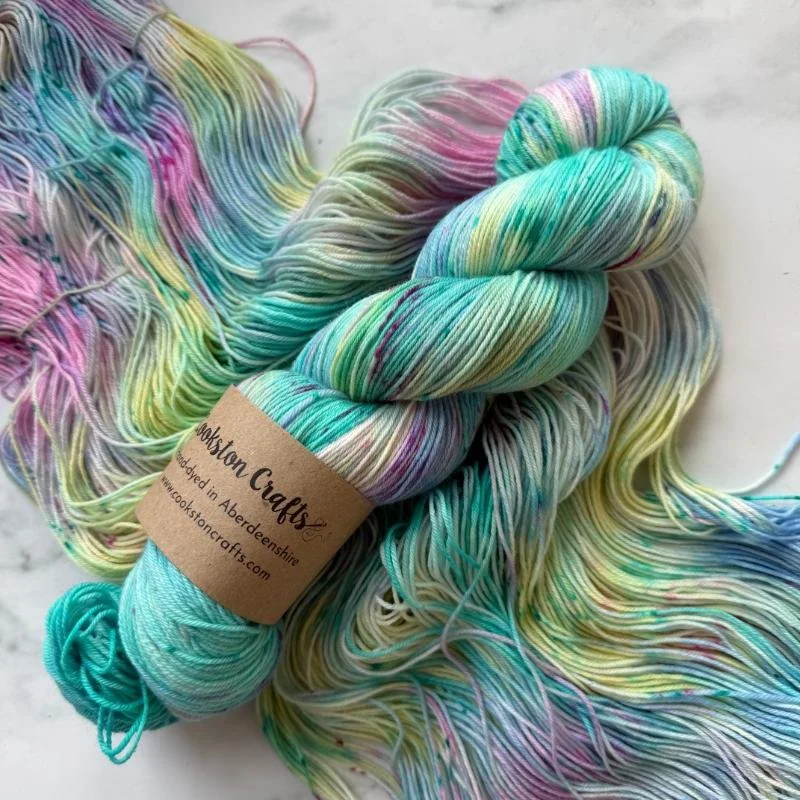
It is possible to achieve deep colours on non superwash yarn, but harder to achieve crisp speckles and variegated colourways will appear ‘smudgier’. Much more care needs to be taken in the dyeing process, but experienced dyers can still achieve beautiful results on non superwash bases.
The Downsides of Superwash Yarn
Less elasticity
Some knitters notice that superwash garments can stretch more than untreated wool.
This is because the treatment changes the fibre's natural grip and elasticity.
Less "woolly" feel
Traditional wool has a slight grip that makes colourwork and textured knitting easier.
Superwash feels smoother and silkier, but some people miss that classic wool texture.
It may grow after blocking
Because it relaxes more easily, superwash garments sometimes become larger after washing. Washing and blocking a gauge swatch can help prevent this.
Environmental concerns
The traditional superwash process involves chemical treatment and synthetic polymer coatings, meaning the finished yarn is no longer a completely natural fibre.
Is Superwash Wool Bad for the Environment?
This is one of the biggest questions knitters ask—and the answer isn't entirely black and white.
The environmental concerns
Traditional superwash processing involves chlorine which requires careful wastewater treatment to minimise pollution. I only ever buy in superwash yarns from a supplier who uses the highest environmental practices to lower this impact.
It's also worth considering the lifespan of a finished garment. My belief is that a machine-washable sweater that gets worn weekly for ten years may have a lower overall environmental footprint than a hand-wash-only garment that spends most of its life folded in a drawer.
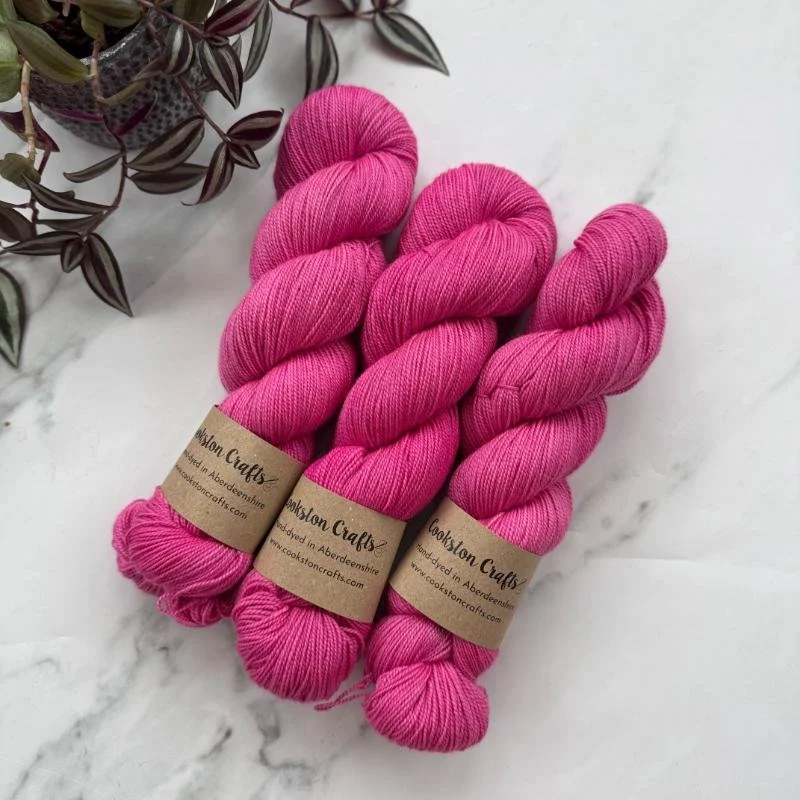
What Is Non-Superwash Wool?
Non-superwash yarn is simply wool that hasn't been chemically treated. Its natural scales remain intact, giving it the characteristics wool has been prized for over thousands of years. Many traditional wool lovers appreciate its elasticity, warmth and natural feel.
Neither option is "better"—they simply excel in different situations.
The debate around superwash vs non-superwash yarn isn't about one being right and the other wrong—it's about choosing the best fibre for the job and hopefully this has helped explain things a little.
If convenience and easy care are your priorities, superwash wool is a fantastic choice. If you value natural fibres, traditional wool characteristics and lower-impact processing, non-superwash yarn might be a better fit.
As knitters and crocheters, we're fortunate to have both options available. Understanding how they're made and how they perform means we can choose the right yarn with confidence—whether we're knitting a baby cardigan that will be washed every week or a cosy heirloom sweater to treasure for years.
As always, if in any doubt, i am more than happy to help advise the right yarn for the job!